)
)
)
SPEAKER INTERVIEW: Mitch Smolik, Howard Energy Partners
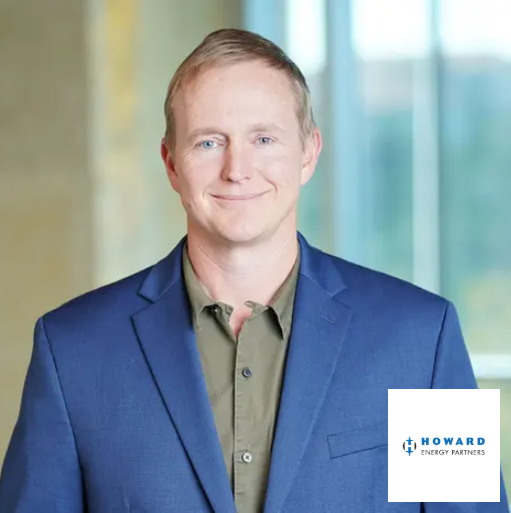
Q: In today’s high-cost, high-risk environment, what has fundamentally changed about how midstream projects are being evaluated and executed?
A: The fundamentals really haven't changed, but I think there are some fairly decent shifts that have happened in the last decade in midstream. One is, there are fewer – and I'd say probably more sophisticated – players in the marketplace. There's been a lot of integration by acquisition that's happened over the last few years in the sector, so we find ourselves competing against bigger players for that vertical integration. That's a pretty significant difference.
Then, schedules – midstream has always been a fast-paced project environment compared to some other sectors, so keeping inventory for certain equipment so you can compete on schedule, that's a big deal that's required in today's market.
We'll get into permitting later, but early spend on environmental and right-of-way and permitting and making sure you have your ducks in a row there – I think that's becoming even more critical with differences between permitting environments throughout the country and just making sure that you're ready to execute when the time comes.
I think another trend is producers trying to shift the risk burden onto the midstreamer and asking for all-in rates, asking us to essentially take the same kind of risk that they're taking when they go drill oil and gas wells. I think that's something that we're seeing pretty regularly.
Q: Where do you see integration between operations and project teams making or breaking long-term asset performance?
A: It's one of our strongest points at Howard Energy. And we think about how to scale that over time as we bring more people into the company and such. But up until now, in the history of our company, we've had ops involved in everything from initial estimates proposed through to start-up and so there's this natural education that happens for the operations personnel that get involved in the projects.
And also, you get the true ownership of an asset – folks who are there from day one and just know everything about it. You can't just replicate that forever, but I think the benefits of that – when you can do it – are very obvious. And I think operations will always be heavily involved in every project that we do. But companies have to scale at some point so that is something you want to be addressing.
Q: From an operator’s perspective, what would meaningful regulatory predictability actually look like in practice?
A: That is a dream that I personally can't envision and I got a pretty good laugh when I heard this question, because it's something that we deal with every day. Even in a state like Texas that's generally friendly to projects, you still get a pretty significant amount of nimbyism. You have local and county governments, even, with differing views on what should happen when a project comes to their locale. Zooming out to the state level, every state is different and I don't see that changing, that's written into the laws.
I think the one place where predictability could actually happen would be at the federal level. I don't know how that could happen, but if we could get a little less swing between administrations on enforcement – especially on the environmental side, new legislation – and seek a median point rather than going violently from one direction to the other, that would make it much easier to determine where to deploy our capital long term.
Q: The EPC Show brings together operators, project leaders, and regulators from across the midstream value chain. What are you most looking forward to discussing with peers at the event this year?
A: This is going to be a little bit snarky, but something other than data centers. I understand the hype for sure. I've been into that side of the business myself with the gas supply lately. But it goes with several other boom and bust cycles I've seen over my career, and there are just too many people talking about the same thing at the same time.
So, I think if this conference gets people talking about the fundamentals of project execution, that would be a positive.
)
)
)
)
)