)
)
)
SPEAKER INTERVIEW: Ido Biger, Delek US
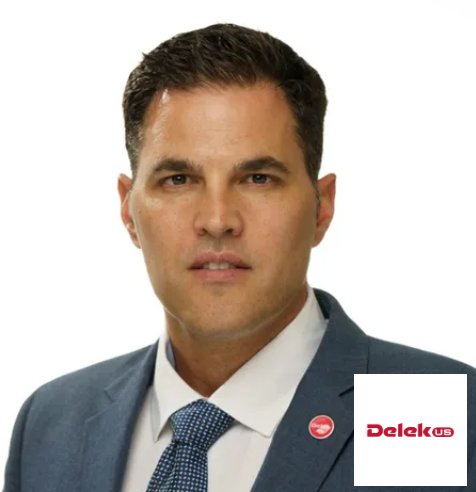
Q: With the current explosion of Gen-AI and LLMs, how do you at Delek US filter out the noise to ensure you are investing in 'trustworthy AI' that solves real operational bottlenecks at the refinery level?
A: There are three aspects to answering this question. First, there is the quality of the data and the level of effort around ensuring that the data itself is AI-ready. The second angle is the users, what they can do and training – more on the literacy side. And the third angle is, of course, the business use case – so, where does it best fit? We are working on all three angles, and only when all three of them make sense do we proceed to an actual pilot.
Q: Delek has been a leader in implementing 3D model mapping and digital twins for refinery operations. From your experience, what is the secret to moving a digital twin from a 'cool visualisation tool' to a functional asset that actually improves planning, execution, and lifecycle performance?
A: Connecting it back to the daily tasks, connecting it back to the planned work orders. The digital twin itself has no meaning without seeing the actual things that are going to happen on the asset. It is going to be just a cool visualisation for training and other purposes, but only if it reflects the actions that are needed on that specific unit does it then make sense and it becomes part of the day-to-day operations or planning.
Q: One of the biggest hurdles in 'getting digital right' is the gap between the IT office and the plant floor. You’ve successfully established a Centre of Excellence for remote monitoring – how do you bridge the culture gap to ensure your 'boots on the ground' operators trust and use real-time data tools for their daily decision-making?
A: First of all, we truly believe in the IT office boots on the ground as well. We never start any project without being there ourselves and feeling the ground and feeling the site with our own feet. Building the relationship starts with building in-person relationships and understanding each other's world and point of view.
By having this type of trust and relationship, you're allowing yourself then to build shared processes, and then the things that are happening remotely are for the people on the ground and in full collaboration with them.
So, it's not imposed, and it's not something that is being done against their will. It's a pool project, and it’s something where we are the second and third layer of support with our visual inspection program.
Q: As we look toward to the EPC Show 2026 in Houston, what is the one conversation you are most looking forward to having with your fellow operators this June to help the industry finally 'get digital right'?
A: We can all read about the materials and we can all learn things by ourselves. But I think the most relevant discussions will be about what people are actually doing and how they actually connect the dots of the different pieces I told you about in the previous questions.
It all comes from different aspects – the human aspect, the system aspect and the data aspect. And once you have those three connected, the future is bright. Now, learning from others – from their failures, mistakes, success stories and more – this is what I'm looking forward to the most.
)
)
)
)
)